There are plenty of garage floor coating “options” online—some great, many misleading. In the Twin Cities, the best choice depends on four things: your concrete condition, your timeline, your finish goals, and (most importantly) how well the floor is prepared.
1) Start with the slab
Before talking colors or materials, look at:
- Cracks (hairline vs. severe)
- Divots/spalling
- Moisture risk (especially on older slabs)
- Edges and control joints
If the slab is severely cracked, reinforcement may be needed before coating. Learn more.
2) Prep matters more than the label on the bucket
In Minnesota, hot tires, salt, and freeze/thaw stress test your floor. The goal of prep is adhesion—coatings fail when they don’t bond. See an overview of our approach: Process.
3) Choose the finish that fits how you use the space
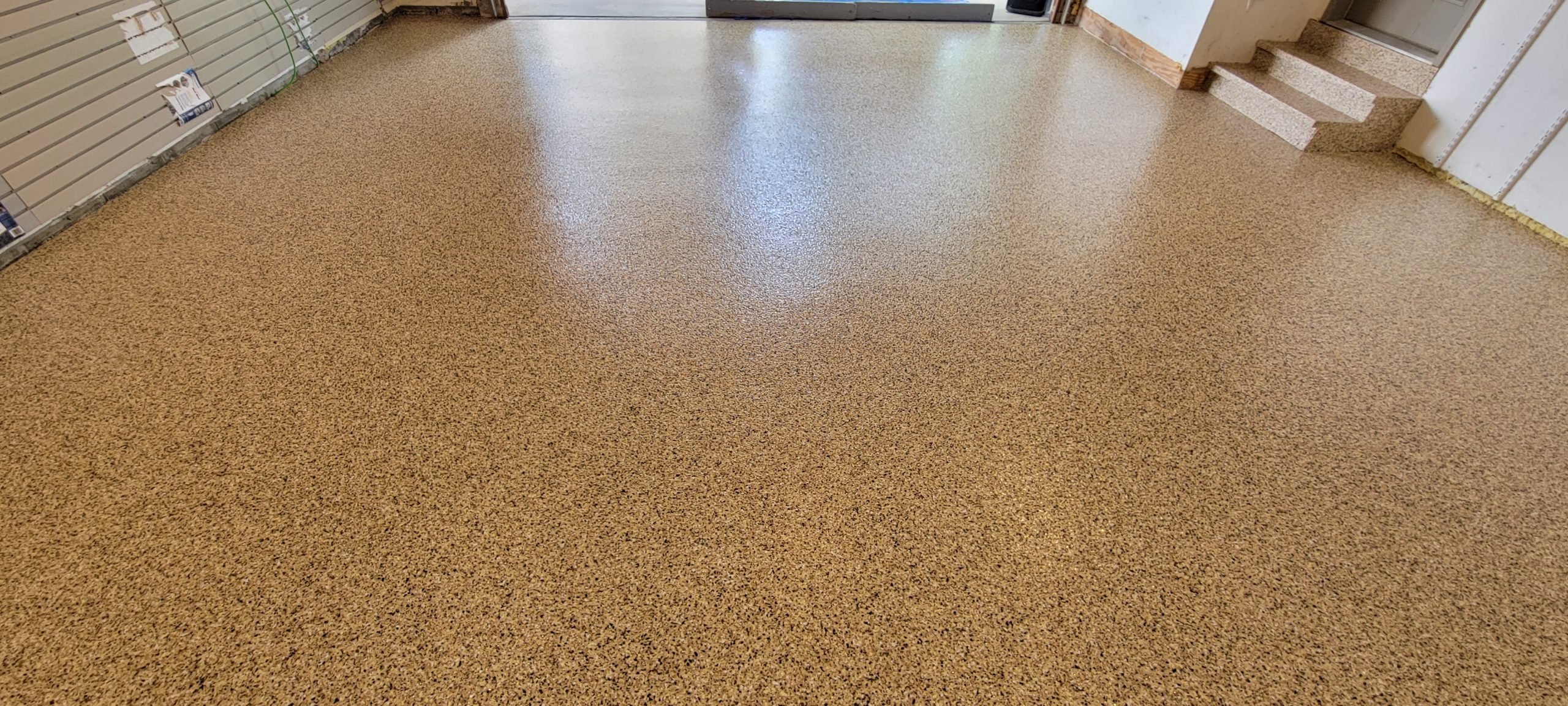
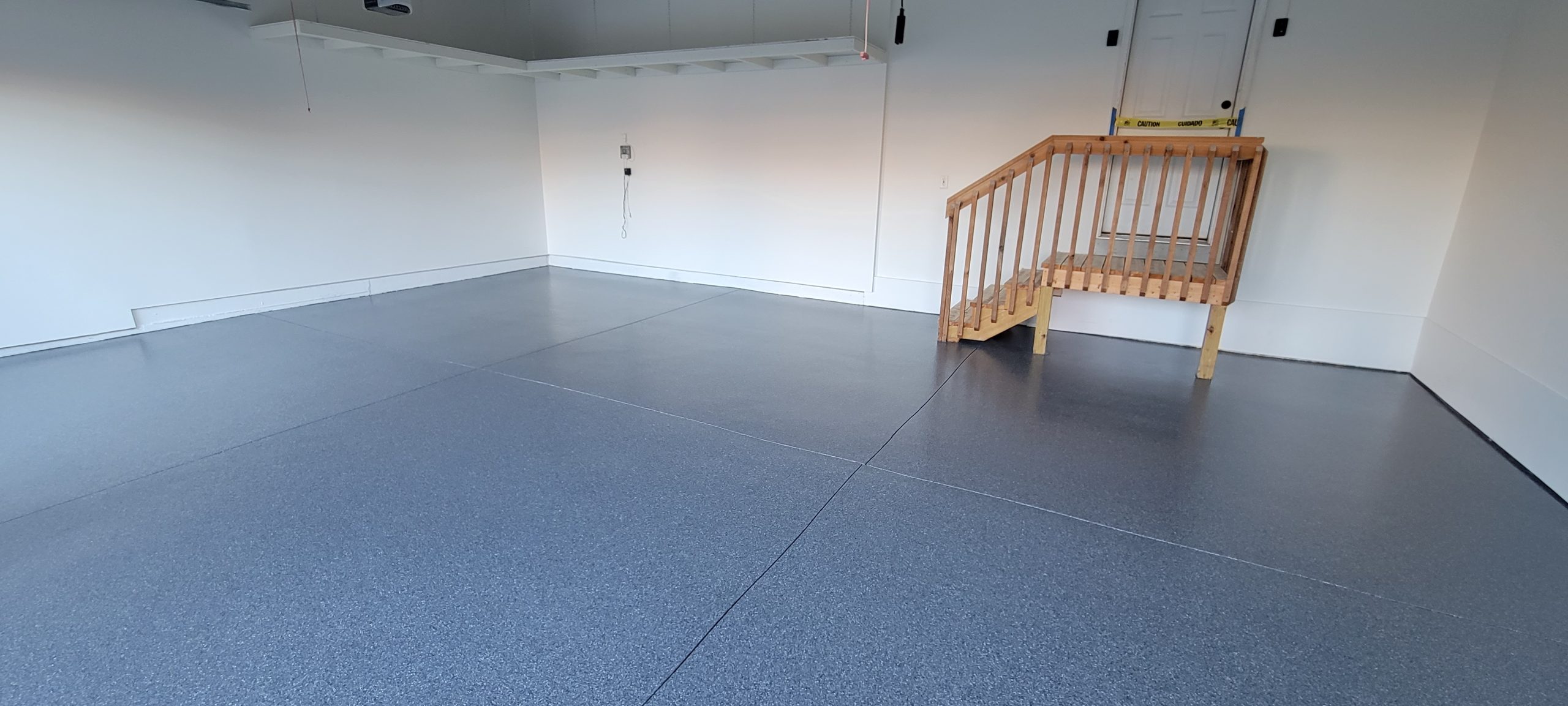
- Decorative flake: great for garages—consistent look, hides small imperfections
- Solid color: clean and classic
- Borders/accents: custom look for work areas
Explore finishes: Colors.
4) Match the system to your timeline and needs
System selection depends on cure time expectations, environment, and performance goals. Compare options here: Materials.
5) Don’t forget the “whole garage” plan
If you want a garage that feels finished, consider:
- Cabinets and storage: Garage Cabinets
- Finishing details like drywall and Speedcove: Garage Finishing
A simple Twin Cities checklist
- Is the slab repairable, or does it need replacement? Concrete Repair & Replacement
- Are cracks/divots handled before coating? Concrete Crack Repair & Stitching
- Is prep included and explained? Process
- Do you like the finish options? Colors
- Is warranty coverage clear? Warranty
FAQ
Can you coat brand-new concrete?
Typically after curing—often around 30 days. FAQ
Do coatings stop concrete from cracking?
No—coatings don’t prevent settlement. FAQ