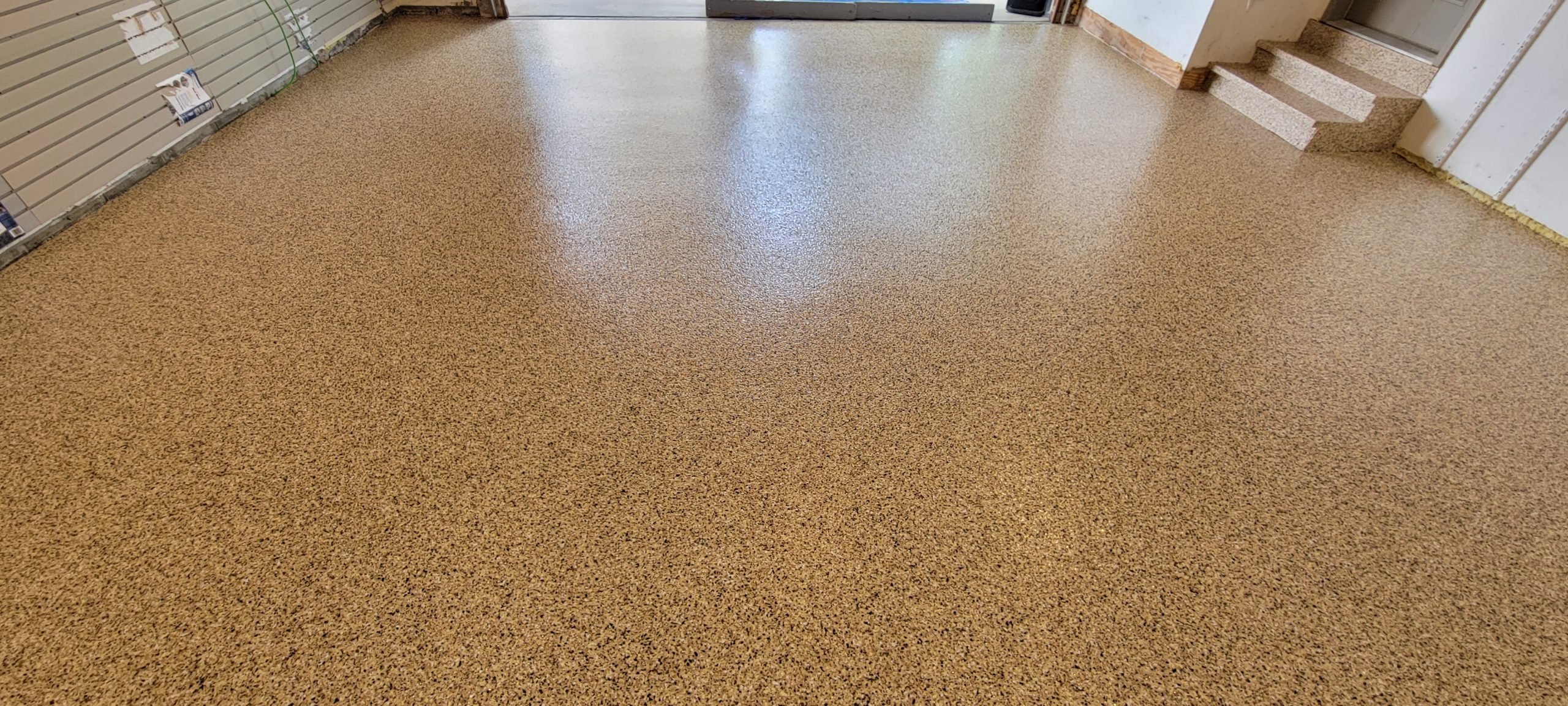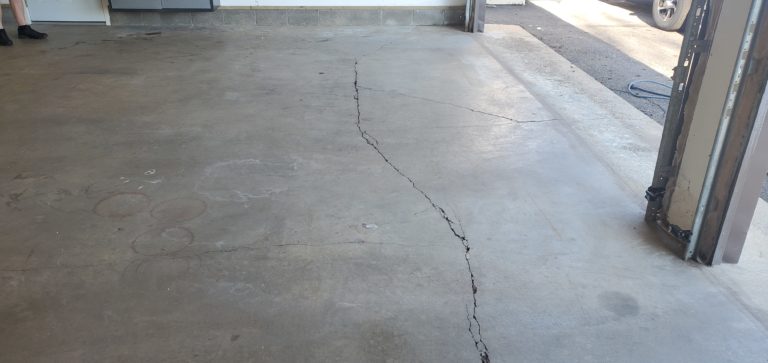
Cracks are common in Twin Cities garages—especially near the front lip where freeze/thaw and movement are most noticeable. The key is choosing the right repair approach before the coating is installed.
Step 1: Identify crack type (simple vs. severe)
- Hairline, stable cracks often use standard repair methods
- Wide, long, or moving cracks may require reinforcement
See details: Concrete Crack Repair & Stitching.
Step 2: Repair first, coat second
Coatings are not structural. They don’t stop concrete movement, so the repair step is critical. FAQ
Step 3: When concrete stitching makes sense
Stitching can help reinforce severe cracks by tying both sides together across the crack line. If you can feel a crack underfoot, or see height difference, it’s worth evaluating.
Step 4: Prep determines the final outcome
Even a good repair can fail if the surface isn’t properly prepared for adhesion. Process
What to expect
- Some cracks can reappear if the slab continues moving
- The goal is a stable surface and durable adhesion
- The right system and prep reduce long-term issues
FAQ
Can you coat a cracked slab without repairs?
Not recommended. Repairs are often necessary for best results.
Do you ever recommend replacement?
Yes—if the slab is too damaged for reliable repair. Concrete Repair & Replacement